
Touchline View: Why players need to know that you care
Touchline View is a weekly column focused on youth football and sport in general written by Damien Hillen.Damien is a UEFA A Licence Coach, former First Team Coach at Newry City AFC, current Academy Director at Newry City AFC, and one of the founders of the Windmill Stars Youth Academy.He has seen first hand how football and sport can shape young people in terms of confidence, discipline, resilience, attitude, and ambition.
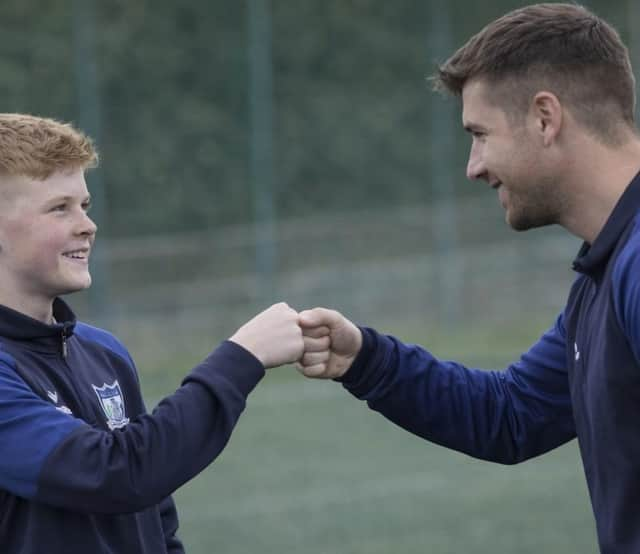

There is an old coaching saying that players do not care how much you know until they know how much you care. It is one of those lines that gets to the heart of what coaching really is.
When I look back on my best memories from my time in youth coaching, they are not about winning games or trophies, though I will not pretend that is not enjoyable too, of course it’s great to win. The memories that stay with me are much more personal. They are the trips, conversations and the laughs I had with the kids and the coaches I worked with. That, for me, is the real reward.

I also found that young players work out very quickly what kind of adult they are dealing with. They know whether your interest in them is real. They know whether you care about them or whether you are simply going through the motions because they play for your team.
They know whether your warmth is genuine or whether it disappears the minute results go against you. In my experience, they are much more aware of that than many adults realise.
That is why relationships and trust matter so much.
Without trust, the rest of what we do means very little. You can have all the football knowledge in the world, but if the player does not feel valued and cared for, much of what you are trying to coach will not stick. I have always thought that building trust with young players is the foundation of good coaching. When that trust is there, players listen differently, respond differently, and grow differently.
The thing is, gaining trust takes time. It is built by being genuine and repeating small actions again and again. Using a player’s name. Asking how they are and genuinely wanting to know. Noticing when something feels off. Taking time to speak to them, even briefly. Remembering that when a player arrives at training, they bring much more with them than their football ability. They bring whatever sort of day they had at school, whatever is going on at home, and whatever level of confidence they have that day.
I also think there is a misunderstanding about what caring for players really means. Caring does not mean lowering standards. It does not mean taking it easy on players.
The best coaches I know, and the best I have tried to learn from, are the ones who combine genuine care with high expectations and challenge. They challenge from a position of belief rather than frustration. Young players know the difference.
What I mean is this. If a coach corrects a player when they are angry, frustrated of disappointed, it rarely helps and can create resentment.
If they correct from a position of belief, and the player understands you are pushing them because you know they are capable of more, they take it on board differently. It becomes something they can respond to rather than something they feel they need to argue against or protect themselves from. That makes a huge difference.
Players need honesty and standards. They need to learn that effort, discipline, and responsibility matter. They also need to know that mistakes happen and that everyone makes them. When players understand that they are more likely to try something, fail, listen, and try again. That is where real development and learning begin.
I regularly bump into the young people I once coached, they are adults now. It’s always great to catch up with them. Very rarely do we talk about cup wins or results from when they were younger. What they talk about is the craic and the friends they made being part of the team.
The real reward in coaching is seeing the person a player becomes. It is knowing you may have played a small part in helping a shy child grow in confidence, helping a young person through a tough time, or helping friendships form that last well beyond football.
If I can pass on a few things I have learned, they are very simple. Notice effort, not just talent. The hardest working player often needs as much recognition as the most technically gifted one. Make time for the quieter players too.
The loudest voices are easy to notice, but the quieter ones need your attention just as much. Correct and coach positively, because players remember how you speak to them, especially in tough times. Be consistent, because trust is built when players know that you care about them and what to expect from you. Above all, be genuine. Young players can always tell the difference.
That is why the old saying still rings true. Players do not care how much you know until they know how much you care.