
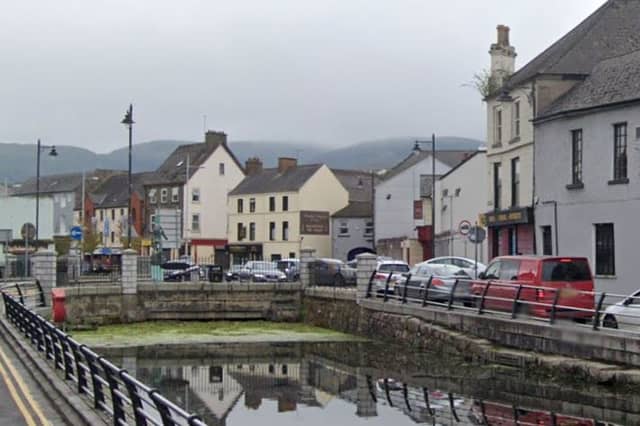


The average house price in Northern Ireland has risen by 6.1% in the last year, to £253,972, the latest figures from PropertyPal show.
But the rate at which property prices are increasing depends on the type of home. The average apartment is now worth £16,090, or 9%, more than at this time last year, while a typical bungalow has only risen in value by 4.8%.
There are more than 300,000 detached houses across Northern Ireland, representing more than a third (35.9%) of the total housing stock. That is significantly more than the number of semi-detached (217,468) or terraced (229,785) houses.
The latest figures from PropertyPal show that on average, the price of a detached house in Northern Ireland increased by £20,675, or 5.3%, between the first quarter of 2025 and the first quarter of 2026.
But the rate at which detached house prices have changed over the last year depends on where in Northern Ireland you are, ranging from a fall of 2.3% to a 13.1% rise.
Below are the areas of Northern Ireland where detached house prices have risen most and least in the last year.
How much have house prices risen or fallen where you live? Find out here how semi-detached house prices have changed by area.
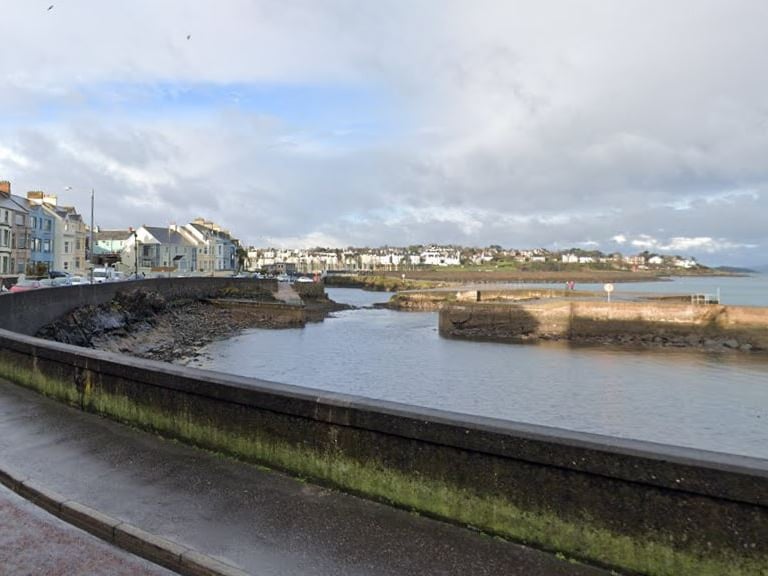
5. Ards and North Down: +5.3%
The average price of a detached house in Ards and North Down has risen by 5.3% in the last year, from £498,853 to £525,092. That was the 7th largest annual percentage increase recorded in Northern Ireland. | Google Photo: Google
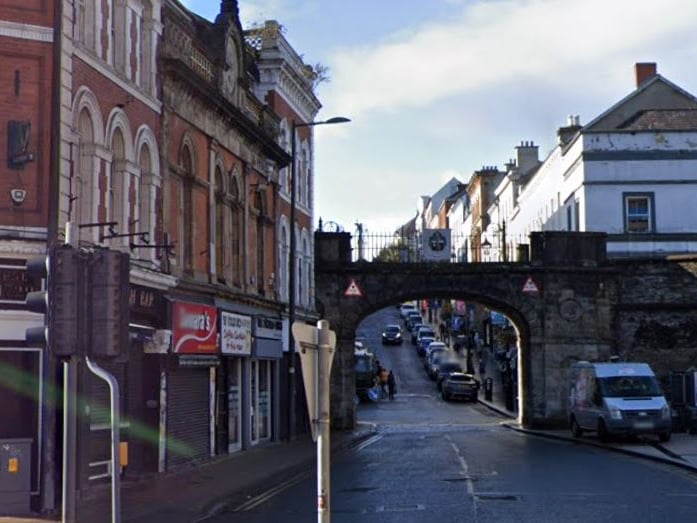
6. Derry City and Strabane: +6.3%
The average price of a detached house in Derry City and Strabane has risen by 6.3% in the last year, from £373,574 to £396,957. That was the 6th largest annual percentage increase recorded in Northern Ireland. | Google Photo: Google
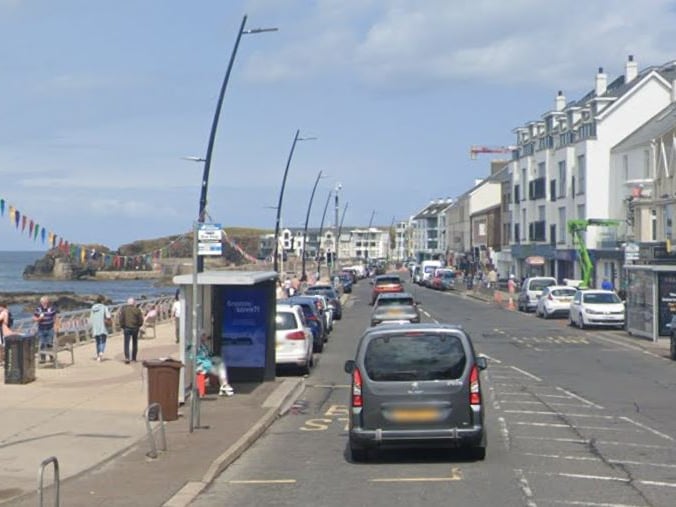
7. Causeway Coast and Glens: +6.7%
The average price of a detached house in Causeway Coast and Glens has risen by 6.7% in the last year, from £355,580 to £379,231. That was the 5th largest annual percentage increase recorded in Northern Ireland. | Google
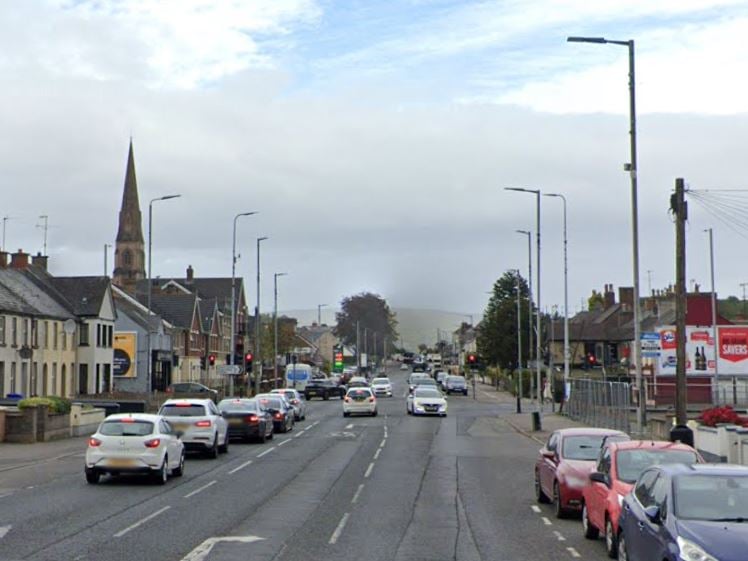
8. Mid Ulster: +7.1%
The average price of a detached house in Mid Ulster has risen by 7.1% in the last year, from £301,668 to £323,228. That was the joint 3rd largest annual percentage increase recorded in Northern Ireland. | Google Photo: Google