
Reducing hospital stays with home antibiotic service
An estimated 11,435 days which people may have otherwise spent in Southern Trust hospitals have been avoided over the past four years thanks to a service which is managing antibiotic treatments at home.
The Outpatient Parenteral Antimicrobial Therapy Service (OPAT) is a team of microbiologists, pharmacists and nurses who look after patients being discharged with ongoing antibiotics. They work closely with district nursing colleagues preventing hospital admissions, supporting earlier discharge and enhancing overall patient experience.
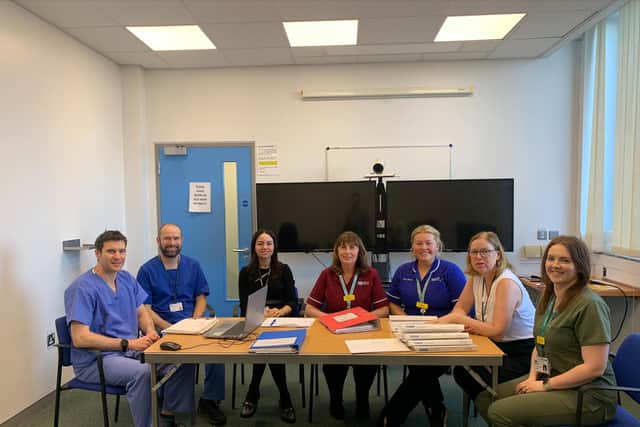

Treatment can last between one day to a few weeks. More mobile patients attend their local district nursing hub for antibiotics while the team will go to those who are housebound in their own homes. Around 7.8 acute hospital beds are saved each day for sicker patients, by organising treatment in this way.
Dr Sara Hedderwick, Consultant Microbiology Lead explains: “Most patients with infections only need antibiotics for a few days. Some with more complicated illness, will need antibiotics through the vein, for a longer time, which could traditionally only be done in hospital. Given the chance, patients want to avoid hospital, so we are delighted to now offer more patients antibiotic treatments in the comfort of their own home. This allows them to be discharged from hospital quicker and get better in their own personal surroundings. It also helps to free up precious hospital beds for sicker patients who need them more.
“Ward staff refer patients to IV nurse co-ordinators who screen suitability for the service. A pharmacist or doctor reviews the patient and together with the microbiology consultant, we determine the best course of treatment.
“In many cases we can avoid intravenous treatment by finding an alternative oral antibiotic, which frees up busy district nursing colleagues and is much less invasive, lower risk and more convenient for the patient. If an intravenous option is needed, the IV co-ordinator will insert a suitable line into the vein.”
Dr Hedderwick continues: “The service is really improving patient outcomes. Patients now need an average of five days less on antibiotic therapy, readmission rates have reduced by over 50% and the risk of healthcare acquired infections is minimised by the shorter time on antibiotics.”