
Northern Ireland drink-drive alert issued ahead of festive season
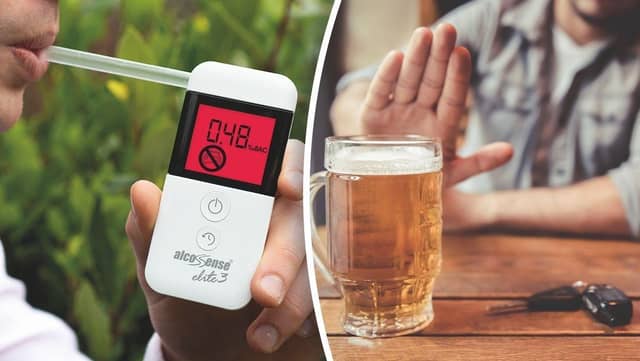

Motorists in Northern Ireland are being urged to take extra care this Christmas after figures reveal they are nearly three times more likely to be breath tested in December than at any other time of year.
Analysis of PSNI data by personal breathalyser firm AlcoSense show there were 6,268 roadside breath tests last December – compared with an average of 2,304 in other months.
Of those stopped in December, 486 drivers were found to be over the legal limit or refused to provide a test – a failure rate of 8%.
PSNI have just launched a similar campaign this Christmas.
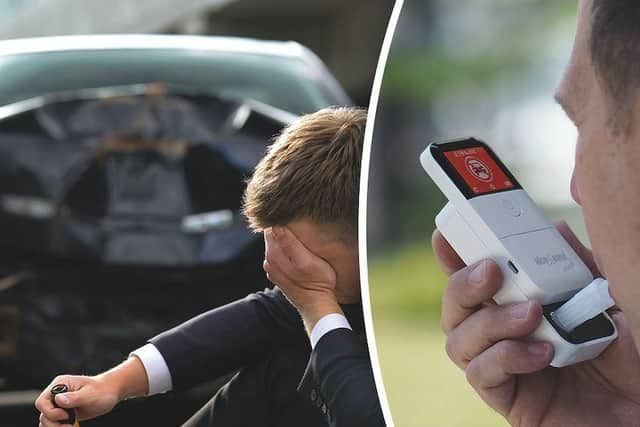
“December is always the peak month for roadside checks due to office parties, nights out and an overall rise in social drinking,” said Hunter Abbott, Managing Director of AlcoSense Laboratories. “Police know this, which is why roadside testing surges at this time of year.”
Research continues to show the dangers of driving with alcohol in your system. The risk of being involved in a fatal collision is around 13 times higher at the current drink-drive limit than when sober.
Abbott added: “People often underestimate how long alcohol stays in the body. For example, drinking four pints of medium-strong beer or four large glasses of wine in an evening can take up to 14 hours to fully clear. Many motorists are caught out the following morning without realising they’re still over the limit. Using a personal breathalyser before driving can give reassurance that you’re safe and legal.”
Across the whole of last year PSNI administered 31,617 breath tests, with 3,837 proving positive – an overall failure rate of 12%.
If you’re caught driving over the legal alcohol limit in Northern Ireland, the consequences are severe. You could face a minimum 12‑month driving ban, a fine of up to £5,000 and even up to six months in prison.
A second conviction within 10 years can lead to a three year ban, and all first-time offenders will be required to take a driving test before their licence is returned. A drink‑drive conviction also results in a criminal record, significantly higher insurance premiums and potential restrictions on employment and international travel.